Breast cancer risk isn't random. It's personal.
Breast cancer risk isn't random. It's personal.
Most breast cancers happen in women with no family history and no obvious warning signs. That's not to alarm you, it's to show that risk is about more than genetics. Age, dense breast tissue, reproductive history, and other factors all play a role. A few questions is all it takes to get a clearer picture.
Most breast cancers happen in women with no family history and no obvious warning signs. That's not to alarm you, it's to show that risk is about more than genetics. Age, dense breast tissue, reproductive history, and other factors all play a role. A few questions is all it takes to get a clearer picture.
What actually affects your risk, in plain language.
What actually affects your risk, in plain language.
Risk isn't a single number. It's a combination of factors, some you're born with and some that shift over time.
Risk isn't a single number. It's a combination of factors, some you're born with and some that shift over time.

Age
The older you get, the higher your risk
Most breast cancers are found in women over 50. But rates in women under 50 are rising, which is why knowing your risk matters at every age. ¹

Reproductive History
Your hormonal history plays a role
Longer lifetime exposure to oestrogen can modestly increase risk. This includes starting your period early, entering menopause late, or never having a full-term pregnancy. ⁴

Family History
A family history matters, but it's not the whole story
About 5 to 10% of breast cancers are hereditary. If a close family member has had breast or ovarian cancer, your risk may be higher. But most women diagnosed have no family history at all. ²

Lifestyle Factors
Some risk factors are within your control
Regular alcohol consumption, being overweight after menopause, and physical inactivity are each linked to a modest increase in risk. ⁵

Dense Breast Tissue
Dense breasts are common, but worth knowing about
About half of all women have dense breasts. Dense tissue can make mammograms harder to read and may slightly raise your risk. If your mammogram report mentions this, ask your doctor about additional screening. ³

Previous Breast Conditions
Certain non-cancerous findings can raise your risk
Conditions like atypical hyperplasia found in a previous biopsy can increase risk. If you've had an abnormal result before, make sure your doctor factors it into your screening plan. ⁶
Age
The older you get, the higher your risk
Most breast cancers are found in women over 50. But rates in women under 50 are rising, which is why knowing your risk matters at every age. ¹
Family History
A family history matters, but it's not the whole story
About 5 to 10% of breast cancers are hereditary. If a close family member has had breast or ovarian cancer, your risk may be higher. But most women diagnosed have no family history at all. ²
Dense Breast Tissue
Dense breasts are common, but worth knowing about
About half of all women have dense breasts. Dense tissue can make mammograms harder to read and may slightly raise your risk. If your mammogram report mentions this, ask your doctor about additional screening. ³
Reproductive History
Your hormonal history plays a role
Longer lifetime exposure to oestrogen can modestly increase risk. This includes starting your period early, entering menopause late, or never having a full-term pregnancy. ⁴
Lifestyle Factors
Some risk factors are within your control
Regular alcohol consumption, being overweight after menopause, and physical inactivity are each linked to a modest increase in risk. ⁵
Previous Breast Conditions
Certain non-cancerous findings can raise your risk
Conditions like atypical hyperplasia found in a previous biopsy can increase risk. If you've had an abnormal result before, make sure your doctor factors it into your screening plan. ⁶
Age
The older you get, the higher your risk
Most breast cancers are found in women over 50. But rates in women under 50 are rising, which is why knowing your risk matters at every age. ¹
Dense Breast Tissue
Dense breasts are common, but worth knowing about
About half of all women have dense breasts. Dense tissue can make mammograms harder to read and may slightly raise your risk. If your mammogram report mentions this, ask your doctor about additional screening. ³
Lifestyle Factors
Some risk factors are within your control
Regular alcohol consumption, being overweight after menopause, and physical inactivity are each linked to a modest increase in risk. ⁵
Family History
A family history matters, but it's not the whole story
About 5 to 10% of breast cancers are hereditary. If a close family member has had breast or ovarian cancer, your risk may be higher. But most women diagnosed have no family history at all. ²
Reproductive History
Your hormonal history plays a role
Longer lifetime exposure to oestrogen can modestly increase risk. This includes starting your period early, entering menopause late, or never having a full-term pregnancy. ⁴
Previous Breast Conditions
Certain non-cancerous findings can raise your risk
Conditions like atypical hyperplasia found in a previous biopsy can increase risk. If you've had an abnormal result before, make sure your doctor factors it into your screening plan. ⁶
Some communities face higher risk.
Some communities face higher risk.
Certain groups face a higher risk of breast cancer, or a higher risk of it being caught late.
If any of these communities are yours, there's information here for you.
Certain groups face a higher risk of breast cancer, or a higher risk of it being caught late. If any of these communities are yours, there's information here for you.
Certain groups face a higher risk of breast cancer, or a higher risk of it being caught late. If any of these communities are yours, there's information here for you.
Black Women

Black women are more likely to be diagnosed at a later stage. That gap is closeable.
Black women are diagnosed with breast cancer at similar rates to white women, but are significantly more likely to die from it, often because it's caught at a later stage. Barriers to care, differences in tumor biology, and gaps in screening access can all affect this. Get the same early answers as anyone else.
Black Women
Black women are more likely to be diagnosed at a later stage. That gap is closeable.
Black women are diagnosed with breast cancer at similar rates to white women, but are significantly more likely to die from it, often because it's caught at a later stage. Barriers to care, differences in tumor biology, and gaps in screening access can all affect this. Get the same early answers as anyone else.
Women under 40

Under 40? You're not too young to think about this.
Standard screening guidelines often start at 40 or 50, but if you have risk factors like a family history, dense breasts, or a known genetic mutation, earlier screening may be right for you. Don't wait for a guideline to give you permission.
Women under 40
Under 40? You're not too young to think about this.
Standard screening guidelines often start at 40 or 50, but if you have risk factors like a family history, dense breasts, or a known genetic mutation, earlier screening may be right for you. Don't wait for a guideline to give you permission.
LGBTQIA+

LGBTQIA+ research is catching up. Your screening shouldn't wait for it.
Research shows that LGBTQ+ people face a range of breast cancer risk factors that differ from the general population, and are less likely to be screened. Trans and nonbinary people in particular face some of the lowest screening rates of any group. Whatever your experience of healthcare has been, there are resources available.
LGBTQIA+
LGBTQIA+ research is catching up. Your screening shouldn't wait for it.
Research shows that LGBTQ+ people face a range of breast cancer risk factors that differ from the general population, and are less likely to be screened. Trans and nonbinary people in particular face some of the lowest screening rates of any group. Whatever your experience of healthcare has been, there are resources available.
Men

Men can get breast cancer too.
Male breast cancer accounts for less than 1% of all cases, but it does happen, and it's often caught late because most men don't think to check. If you have a family history of breast cancer, carry a BRCA gene mutation, or notice any changes in your chest tissue, talk to your doctor.
Men
Men can get breast cancer too.
Male breast cancer accounts for less than 1% of all cases, but it does happen, and it's often caught late because most men don't think to check. If you have a family history of breast cancer, carry a BRCA gene mutation, or notice any changes in your chest tissue, talk to your doctor.
Black Women
Black women are more likely to be diagnosed at a later stage. That gap is closeable.
Black women are diagnosed with breast cancer at similar rates to white women, but are significantly more likely to die from it, often because it's caught at a later stage. Barriers to care, differences in tumor biology, and gaps in screening access can all affect this. Get the same early answers as anyone else.
LGBTQIA+
LGBTQIA+ research is catching up. Your screening shouldn't wait for it.
Research shows that LGBTQ+ people face a range of breast cancer risk factors that differ from the general population, and are less likely to be screened. Trans and nonbinary people in particular face some of the lowest screening rates of any group. Whatever your experience of healthcare has been, there are resources available.
Women under 40
Under 40? You're not too young to think about this.
Standard screening guidelines often start at 40 or 50, but if you have risk factors like a family history, dense breasts, or a known genetic mutation, earlier screening may be right for you. Don't wait for a guideline to give you permission.
Men
Men can get breast cancer too.
Male breast cancer accounts for less than 1% of all cases, but it does happen, and it's often caught late because most men don't think to check. If you have a family history of breast cancer, carry a BRCA gene mutation, or notice any changes in your chest tissue, talk to your doctor.
If breast cancer runs in your family, genetic testing can tell you more.
About 5 to 10% of breast cancers are caused by inherited gene mutations, most commonly BRCA1 and BRCA2. (2) Genetic testing can identify whether you carry one of these mutations and help you and your doctor make a more informed screening plan.
Testing is increasingly covered by insurance. A genetic counsellor can walk you through the process and what your results mean.
You may want to consider genetic testing if:
You may want to consider genetic testing if:

Cancer runs in your family (breast, ovarian, pancreatic, prostate)
Cancer runs in your family (breast, ovarian, pancreatic, prostate)
Cancer runs in your family (breast, ovarian, pancreatic, prostate)
You were diagnosed with breast cancer at 50 or younger
You were diagnosed with breast cancer at 50 or younger
You were diagnosed with breast cancer at 50 or younger
You have triple-negative breast cancer
You have triple-negative breast cancer
You have triple-negative breast cancer
A family member has already tested positive for a BRCA mutation
A family member has already tested positive for a BRCA mutation
A family member has already tested positive for a BRCA mutation

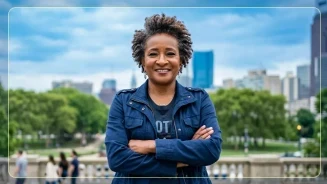
You know your risk. Here's your next step.
Whether your risk is average or higher, the next step is the same: stay informed and get screened.
This reminder service is for US residents. Not in the US? Search “breast cancer screening” and your location to find local options.
Ready to find a screening location near you, or need support to schedule one? Find out what options you might have.
Ready to find a screening location near you, or need support to schedule one? Find out what options you might have.
Sources
¹ Giaquinto AN, Sung H, Newman LA, et al. Breast cancer statistics, 2024. CA: A Cancer Journal for Clinicians. 2024;74(6):477–495. [back]
² National Cancer Institute. BRCA Gene Mutations: Cancer Risk and Genetic Testing. National Institutes of Health; updated 2023. [back]
³ American College of Radiology. Breast Density and Your Mammogram Report. 2022. [back]
⁴ Cancer Research UK. Breast cancer risks and causes. 2023. [back]
⁵ World Cancer Research Fund. Diet, nutrition, physical activity and breast cancer. Continuous Update Project Expert Report; 2018 (updated findings ongoing). [back]
⁶ American Cancer Society. Non-cancerous breast conditions and breast cancer risk. 2023. [back]